canton top Synthetic Turf Installation Specialists
canton top Synthetic Turf Installation Specialists
Blog Article
Fake Grass Installation: The Sustainable Resolution for Your Lawn
Installing synthetic turf presents a practical option for homeowners pursuing a sustainable yard solution. Its durability and low maintenance requirements offer significant advantages over traditional grass. As water conservation becomes increasingly essential, artificial turf delivers an efficient solution to environmental concerns. However, the choice to install synthetic turf requires various factors that deserve careful examination. What factors should homeowners consider before taking the transition to this eco-friendly option?
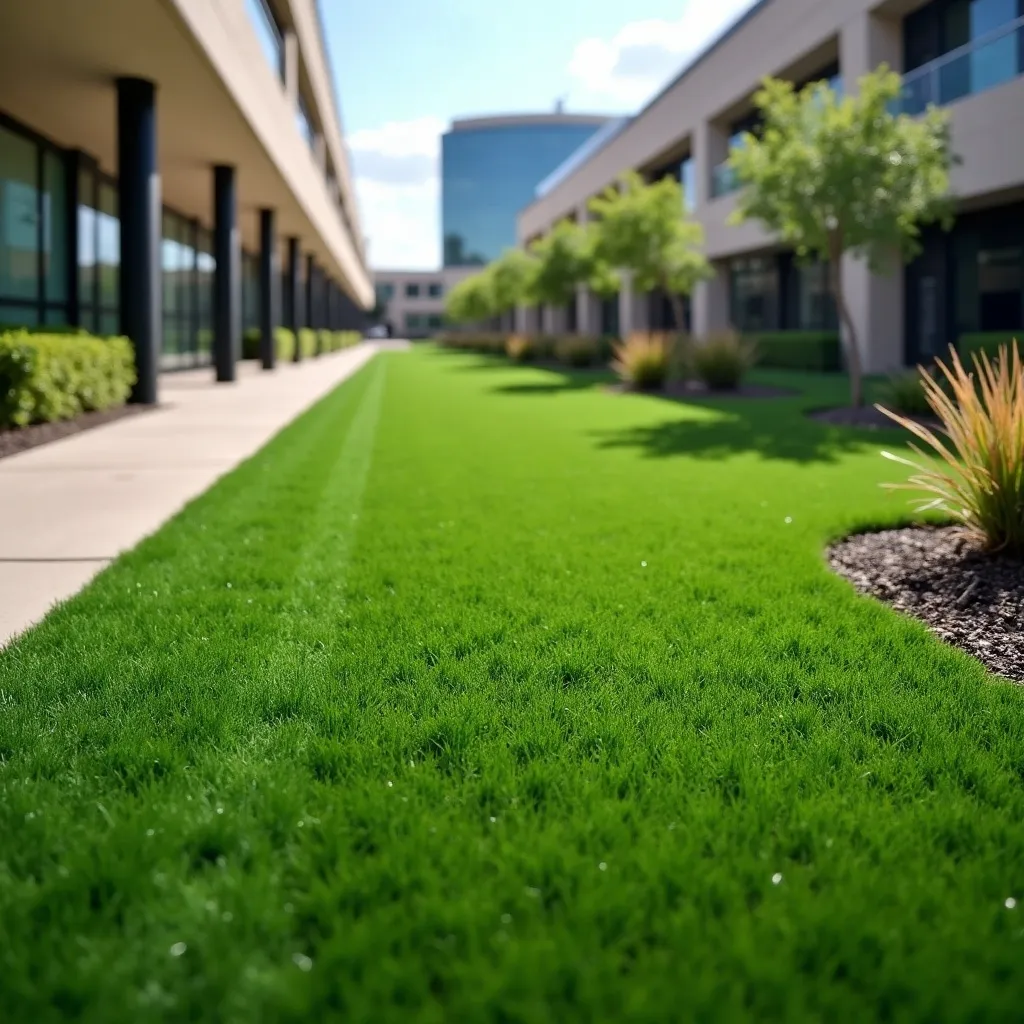
Understanding Synthetic Turf: Key Features and Benefits
Synthetic turf has emerged as a favored substitute to natural grass, presenting numerous benefits for assorted applications. One of its key features is wear-resistance; synthetic grass can handle heavy foot traffic and extreme weather conditions without deteriorating. This robustness makes it an outstanding choice for sports fields, playgrounds, and residential lawns.
Furthermore, artificial grass needs reduced upkeep when set against natural grass. There is no requirement for mowing, watering, or fertilizing, generating considerable time and cost savings for homeowners and facility managers alike.
In addition, artificial grass is planet-friendly, as it conserves water and negates the need for harmful pesticides and fertilizers.
Advanced developments have enabled synthetic turf to reproduce the appearance and feel of natural grass, providing aesthetic appeal without the drawbacks. These features collectively make synthetic turf a viable and attractive option for a wide range of uses.
Installing Synthetic Turf: A Detailed Tutorial Guide
When looking at the benefits of synthetic turf, the next logical step is understanding the installation process.
The opening phase includes site preparation, which encompasses removing the area of existing grass, weeds, and debris. Next, a foundation of gravel or aggregate is placed to ensure proper drainage and stability. Following this, a fabric barrier is installed to prevent unwanted plant growth.
Once the base has been readied, the synthetic turf rolls are unrolled and positioned, enabling proper alignment. The edges are fixed with stakes or adhesive, verifying a seamless appearance.
After placement, a layer of infill material, such as rubber or sand, is laid evenly to supply weight and support. Finally, the turf is groomed to raise the pile and achieve a natural look.
Completing these processes produces a durable, low-maintenance lawn that enhances both visual charm and functional value.
Why Pick Synthetic Turf? Nature-friendly and Convenient Advantages?
Installing artificial grass offers numerous practical and environmental advantages that make it an attractive option for numerous homeowners and businesses. One significant benefit is conserving water; artificial turf eliminates the requirement for regular watering, which is especially beneficial in arid regions.
Additionally, it decreases the dependence on harmful pesticides and fertilizers, encouraging a more robust ecosystem.
From a pragmatic perspective, synthetic turf demands minimal upkeep, saving resources and costs on grass maintenance. It remains vibrant and verdant throughout the year, delivering a uniform visual attractiveness without seasonal fluctuations.
Additionally, synthetic turf offers durability, able to withstand heavy foot traffic and various weather conditions, making it suitable for both residential and commercial applications.
These elements not only elevate the utility of external environments but also promote enduring ecological balance, rendering synthetic turf a persuasive selection for environmentally conscious purchasers.
Critical Factors for Synthetic Turf Installation
Several considerations must be evaluated before commencing synthetic turf setup. First, it is important to assess the intended use of the area. Various kinds of synthetic turf are designed for particular applications, such as sports or residential grounds design.
Second, the local climate should be reviewed; some materials may handle heat better than others.
Site readiness is another important aspect, requiring adequate water management and a level surface to ensure longevity and performance. Furthermore, potential local regulations or homeowners' association guidelines may affect installation decisions.
Finding the optimal infill option is essential for stability and comfort, as it influences both the appearance and touch of the turf.
In conclusion, choosing a reputable service provider can greatly influence the quality and longevity of the installation. By addressing these points, dwellers can reach knowledgeable determinations that best suit their desires and strengthen their outdoor spaces.
Preserving Your Artificial Turf Lawn in Top Condition
Keeping your synthetic turf lawn in good condition requires a dependable cleaning regimen for ensuring its longevity and appearance.
Regular maintenance includes addressing any spots and implementing repair techniques as required.
Adhere to a standard cleaning regimen
Preserving the look and durability of synthetic turf lawns requires a regular maintenance plan. Regular maintenance helps avoid debris buildup, reduces odors, and improves aesthetic appeal.
Homeowners should strive to clear leaves, twigs, and other organic materials at least once a week, especially during fall. Additionally, rinsing the turf with water each month can help eliminate dust and allergens, guaranteeing a fresh look.
For busy zones, increased maintenance may be necessary to maintain the grass quality. In winter seasons, frozen precipitation should be gently cleared to avoid damaging the blades.
Finding and Repair Guidelines
Detecting and resolving concerns promptly is vital for maintaining the integrity of synthetic turf lawns. Regular inspections should be carried out to identify evidence of damage, such as tears, fraying, or bumpy surfaces.
If a damage is identified, instant action is vital. Minor tears can be rectified with specialized adhesive or turf tape, assuring a stable bond without jeopardizing appearance. For larger issues, professionals may be needed to replace sections of turf.
In addition, keeping the base material intact is critical; any shifting can result in further complications. Routine brushing helps keep an even appearance and can also detect underlying problems.
Budget Assessment: Synthetic Turf vs. Natural Grass
When examining the financial outlay of man-made grass to organic grass, first-time installation charges are significant.
In addition, long-term upkeep expenses can greatly determine the overall financial commitment of each option.
A comprehensive analysis of these elements uncovers significant insights for potential buyers.
Starting Setup Fees
Initial setup expenses are crucial in the selection process for property owners and local governments considering synthetic turf versus natural grass.
Normally, the upfront costs for synthetic turf can vary from $5 to $20 per square foot, based on quality and installation complexity. In contrast, natural grass installation usually costs between $1 to $2 per square foot.
However, the full expenditure in real turf can increase markedly due to ground preparation, irrigation systems, and continuous maintenance necessities.
Property owners and local authorities must contrast these upfront costs against the potential long-term benefits of artificial turf, such as curtailed water use and diminished maintenance needs.
In the end, recognizing these costs facilitates making knowledgeable, environmentally responsible landscaping decisions.
Extended Maintenance Expenses
Long-term upkeep costs prominently affect the overall cost-effectiveness of synthetic turf compared to natural grass.
Maintaining natural grass necessitates regular monetary commitments, covering routine lawn mowing, soil fertilization, consistent watering, and pest management, which can grow substantially over time. Homeowners may budget hundreds to thousands of dollars yearly to sustain a vibrant lawn.
In comparison, begin here artificial grass needs minimal maintenance, primarily periodic brushing and rinsing to remove dirt and particles. Though the early financial commitment in artificial grass might be higher, the reduced extended-term costs establish it as an attractive alternative.
Furthermore, artificial grass eliminates water bills stemming from irrigation, additionally strengthening its long-term savings over time.
In the end, the financial advantages of synthetic turf upkeep can result in substantial savings for homeowners in the long run.
Challenging Regular False Beliefs About Synthetic Turf
Although numerous individuals maintain misunderstandings about synthetic turf, understanding the facts can lead to informed decisions. One common myth is that synthetic turf is damaging to the environment; however, many items are made from reclaimed resources and are engineered to be durable, reducing waste.
A frequent belief is that synthetic turf requires substantial heat maintenance, but modern installations often incorporate reliable cooling technologies that mitigate temperature issues.
Furthermore, some opponents maintain that synthetic turf facilitates synthetic chemicals; yet, progress in materials have markedly minimized the requirement for toxic infill substances.
Finally, the notion that synthetic grass cannot support biodiversity is misleading; many installations can integrate with native plants, supplying habitats for local wildlife.
Popular Asked Questions
What Timeframe Should You Anticipate Before Synthetic Turf Requires Replacement?
Manufactured turf usually functions between 15 to 25 years before needing replacement. Components affecting longevity include quality, maintenance routines, and atmospheric circumstances, which can significantly affect its durability and overall performance over time.
Animals and Synthetic Turf: Is It Safe for Them?
Pets can securely enjoy synthetic turf, as it is designed to be durable and non-toxic. Regular upkeep ensures cleanliness, making it a sensible option for pet owners looking for a easy-to-care-for, pleasant outdoor space for their animals.
Does Artificial Grass Retain Heat in Bright Weather?
Indeed, artificial turf does retain heat in bright weather, significantly elevating surface temperatures. This can cause unease for both humans and animals. Regular watering or choosing lighter-colored turf can help mitigate this heat absorption.
Which Selections Are There for Synthetic Turf Tones and Styles?
Synthetic turf choices offer several colors like bright greens, natural browns, and even unique shades. Styles extend from natural-looking imitations of natural grass to artistic styles, appealing to diverse aesthetic preferences and functional needs.
How Does Synthetic Turf Impact Local Wildlife?
Artificial turf can interfere with local wildlife by changing ecosystems and decreasing natural food sources. Its lack of flexibility may deter certain animals from nesting or foraging, potentially resulting in decreased species diversity in the affected areas.
Report this page